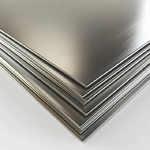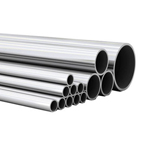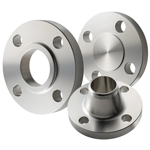
The main difference lies in the addition of molybdenum to grade 316. While 304 is the most popular grade for general use and offers excellent corrosion resistance for indoor applications (kitchenware, building decorations), 316 is specifically designed for harsher environments. The molybdenum content in 316 provides superior resistance to chlorides and acids, making it the preferred choice for marine environments, coastal areas, chemical processing, and seawater desalination equipment. If your project involves exposure to salt water or aggressive chemicals, 316 is worth the investment.
Yes. We provide a full range of processing services including cut-to-length, slitting, and polishing. For surface finishes, we offer 2B, BA (Bright Annealed), brushed, and mirror finishes, as well as more decorative options like etched, embossed, and colored/anti-fingerprint coatings. Simply include your drawing or dimensional requirements in your inquiry, and we will confirm the feasibility and lead time.
We operate with flexible MOQs. For standard mill products, we can often start from approximately 1 ton. For custom dimensions or special processing, the MOQ may vary depending on the complexity and production costs. We also welcome trial orders to allow you to test our quality before committing to larger volumes.
Absolutely. We provide Mill Test Certificates (detailing chemical composition like Cr/Ni content and mechanical properties like tensile strength) for all shipments. These can be issued as EN 10204 3.1 documentation. Furthermore, we fully support third-party inspections from agencies like SGS, BV, TUV, or Intertek. Please specify this requirement at the RFQ stage so we can schedule the inspection accordingly.
We understand that different markets require different standards. Our materials meet international requirements (e.g., ASTM for the US, EN for Europe, JIS for Japan). We strictly control the chemical composition to match the declared grade – for example, our 304 material maintains Ni content between 8%-10.5% and Cr between 18%-20%, fully compliant with ASTM A276.
Export packaging is critical for stainless steel. We use a multi-layer protection system: waterproofing with inner moisture-proof plastic film to prevent rust; securing coils or bundles on pallets with steel straps to prevent movement; reinforcement with wooden cases or steel frames for edge protection and stacking stability. All wooden packaging material is heat-treated and marked with the IPPC stamp in accordance with ISPM 15 standards.
For standard orders, the production time is generally 7 to 15 working days after order confirmation. Shipping time depends on your destination. We usually ship via sea freight (FCL/LCL). We also recommend booking shipping space 2-3 weeks in advance to avoid delays caused by port congestion.
Stainless steel prices are heavily influenced by raw material costs, particularly nickel. A 10% rise in nickel prices can lead to a 5-8% increase in product quotes. Therefore, our quoted prices are typically valid for 7 to 15 days to mitigate market volatility. We recommend confirming your order promptly to lock in the price.
Our standard payment terms are 30% T/T deposit and 70% balance before shipment. For large orders, we can also accept L/C (Letter of Credit) to reduce payment risks for both parties.
To ensure smooth customs clearance in your country, we prepare a comprehensive set of documents including: Commercial Invoice & Packing List, Bill of Lading (B/L), Certificate of Origin (to utilize tariff benefits under FTAs like RCEP), Mill Test Certificate, and an accurate Packing List (accuracy matters, as mismatches are a common cause of customs delays).